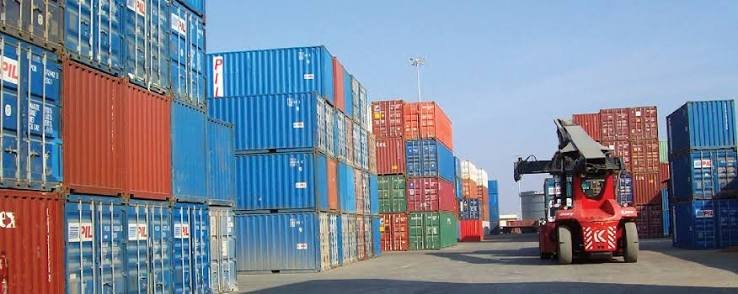
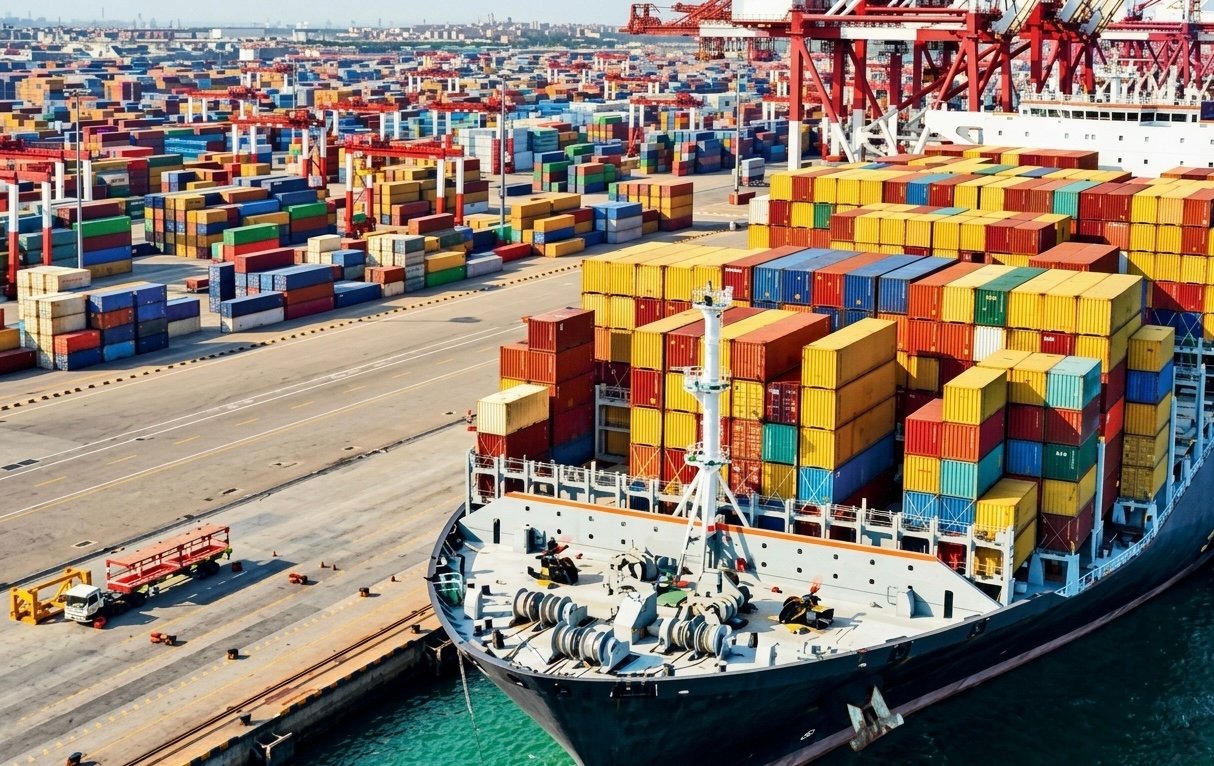
We opened our doors this past May, and by June we had already loaded our very first export container. That is a fast start for any new firm, and we won't pretend the timing made it easy. The Gulf of Aden is going through one of its worst years yet for piracy, and every shipping line we talk to is quoting higher war-risk premiums than they were even six months ago. Planning a route into the Horn of Africa in this climate means double-checking everything — insurance terms, vessel schedules, the latest advisories on which corridors to avoid.
Our first container was bound for Mogadishu, and it carried two things: a water-cooled diesel engine and a Danish-type grinding mill. It's a fitting pair to start with. The engine represents the kind of heavy, dependable power source that keeps a small operation running when the electricity grid can't be relied on. The grinding mill represents the other half of the story — turning that power into something a community actually needs, which in this case is flour. Put the two together and you have the backbone of a small mill: power on one end, grain going in on the other, flour coming out.
Getting both machines packed and out of Mundra and Kandla taught us more in a few weeks than we expected to learn so early. Wooden crating has to be built for rough handling, not gentle handling — because rough handling is what actually happens between here and a Somali port. Moisture protection matters more than we initially budgeted for, given how long these machines sit in transit and how much salt air they pass through along the way. And coordination with the freight forwarder has to be constant, not a one-time handoff, because routing decisions are changing week to week as the piracy situation develops.
We started this company knowing the region we wanted to serve would never be the easiest one to serve. This first shipment confirmed that, and it also confirmed that the demand on the ground doesn't wait for calmer waters. If the machinery is needed, our job is to get it there — carefully, properly packed, and on time, regardless of what the Gulf of Aden looks like this particular month.